| Category | Budget Traveller | Mid-Range | Comfortable |
|---|---|---|---|
| Accommodation (per night) | CHF 35–60 | CHF 100–180 | CHF 200–400+ |
| Food (per day) | CHF 25–40 | CHF 60–90 | CHF 120–200+ |
| Transport (per day) | CHF 15–30 | CHF 40–80 | CHF 80–150+ |
| Activities (per day) | CHF 0–20 | CHF 30–70 | CHF 80–200+ |
| Total per day | ~CHF 75–150 | ~CHF 230–420 | ~CHF 480–950+ |
- Accommodation Hostel dorm
- Food Supermarket + bakery
- Transport Regional day pass
- Activities Hikes & free sights
- Accommodation 3-star hotel
- Food Mix of restaurants
- Transport Swiss Travel Pass
- Activities 1 paid attraction/day
- Accommodation 4–5 star hotel
- Food Restaurants + wine
- Transport Pass + mountain trains
- Activities Jungfraujoch etc.
Accommodation — The Biggest Variable
Where you sleep makes or breaks your Switzerland budget.
Accommodation is almost always the largest expense in Switzerland. The good news is that the range is enormous — from CHF 35 hostel dorm beds to CHF 1,000+ per night alpine resorts. Here's what each tier actually looks like on the ground.
What Each Budget Gets You
Staying one town away from a major tourist hub cuts accommodation costs by 30–50%. Stay in Interlaken instead of Grindelwald, Spiez instead of Interlaken, or Lausanne instead of Montreux. Swiss trains are so fast and cheap that the difference in travel time is rarely more than 20 minutes.
- Book at least 6–8 weeks in advance for summer — prices spike dramatically last-minute
- Swiss Youth Hostels (youthostel.ch) are clean, well-located, and significantly cheaper than hotels
- Airbnb outside city centers can be very competitive — especially for longer stays
- Avoid Zermatt, Verbier, and St. Moritz entirely if you're budget-conscious — these are among the most expensive resort towns in the world
- Camping is a genuinely good option in summer — Switzerland has excellent campsites near top attractions, often CHF 25–35/night
Food & Drink — Where You Can Save the Most
Swiss restaurants are expensive. Swiss supermarkets are not.
Food is where your budget lives or dies in Switzerland. A sit-down lunch in a Swiss restaurant typically costs CHF 20–35 per person before drinks. Dinner is usually CHF 35–60+. But here's the thing — Swiss supermarkets are excellent, and eating strategically can cut your daily food costs by more than half.
Real Prices — What Things Actually Cost
Migros and Coop are Switzerland's two main supermarket chains, and they're both excellent. Their ready-to-eat sections have fresh salads, warm dishes, sushi, and sandwiches at very reasonable prices. Buying breakfast and lunch from a supermarket, then splurging on one proper dinner, is the classic Switzerland budget strategy — and it works very well.
- Always look for the Tagesmenu (daily set lunch menu) — most Swiss restaurants offer a 2-course lunch for CHF 18–25, which is far cheaper than ordering à la carte
- Migros and Coop have a hot food section in most large stores — warm meals for CHF 6–10
- Avoid tourist trap restaurants directly next to major sights — walk 5–10 minutes for half the price
- Water in Switzerland is free and clean everywhere — tap water is excellent, never buy bottled water
- Mountain restaurant prices are always higher — bring your own lunch if you're doing a full day hike
Transport — When the Swiss Travel Pass Is Worth It
Swiss public transport is world-class — but it adds up fast.
Switzerland has one of the best public transport systems in the world. Trains are punctual, clean, and connect almost everywhere. The question is whether to buy individual tickets or invest in a Swiss Travel Pass — and the answer depends entirely on how much you plan to travel.
Swiss Travel Pass — Is It Worth It?
The Swiss Travel Pass makes sense if you're travelling between 2–3 different cities per day. If you're spending 2+ nights in each city and doing local day trips, individual tickets (especially booked in advance on SBB.ch) are usually cheaper. Always calculate before you buy.
Sample Transport Costs for a 7-Day Trip
- Book train tickets in advance on SBB.ch — Supersaver tickets can be 40–50% cheaper than full fare
- The Half-Fare Card (CHF 120/month) gives 50% off all Swiss public transport — worth it if you're staying longer than 2 weeks
- Many Swiss cities include free public transport in your hotel room rate — ask when you check in
- If you're renting a car, a Swiss motorway vignette costs CHF 40/year and is required on all highways
- Buses between Swiss cities are much cheaper than trains — FlixBus covers many routes
Activities & Attractions — Where the Splurges Are Worth It
Some things in Switzerland are genuinely worth paying for.
Switzerland's biggest activities — Jungfraujoch, cable cars, ski passes — are expensive by any standard. But many of the country's best experiences are completely free: hiking, lakes, old towns, viewpoints. Here's an honest breakdown of what's worth paying for and what you can skip.
Top Paid Attractions — Real Costs
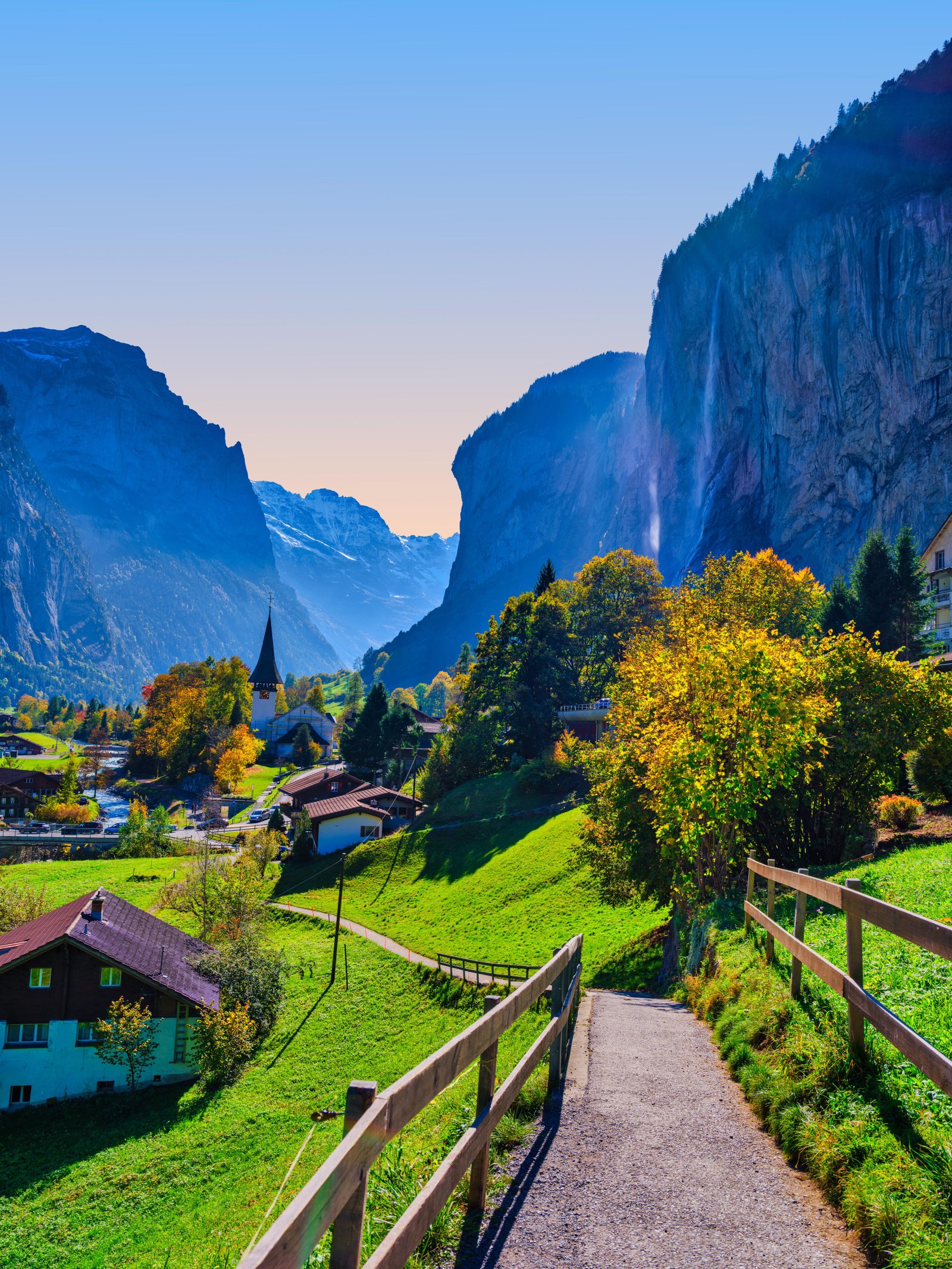
Swimming in lakes (all public beaches are free), hiking on thousands of km of marked trails, walking old towns (Bern, Zurich, Basel, Lausanne), viewpoints reachable on foot, waterfalls (Lauterbrunnen, Rhine Falls from outside), and simply sitting by any Swiss lake watching the Alps. Some of the most memorable Switzerland moments cost absolutely nothing.
- The Swiss Travel Pass gives free entry or 50% discount on many mountain railways and attractions — check if it covers what you plan to visit before deciding whether to buy it
- Jungfraujoch is worth the splurge once — but only go on a clear day. Check the webcam at jungfrau.ch before you book
- Many Swiss museums are free on the first Sunday of the month
- Children under 16 travel free on Swiss public transport when accompanied by a parent holding a Swiss Travel Pass (Family Card)
- Hike to viewpoints instead of taking cable cars — the views are often identical and you get a great workout
Travel Insurance — Non-Negotiable in Switzerland
This is the cost most visitors forget — and the most important one.
Switzerland is not a member of the European Union, which means European Health Insurance Cards (EHIC) are not accepted here. Healthcare in Switzerland is among the most expensive in the world, and any accident — from a sprained ankle to a helicopter rescue from a mountain trail — can result in a bill that runs into the thousands or even tens of thousands of dollars.
Always get travel insurance that explicitly includes mountain rescue and helicopter evacuation — standard policies often exclude this. If you're planning any hiking, skiing, or mountain activities, this coverage is essential. The REGA card (rega.ch) is CHF 30/year and is excellent value if you're spending more time in Switzerland.
- Buy travel insurance before you leave home — it's always cheaper and you're covered from the moment you depart
- Check that your policy covers adventure sports if you plan to ski, hike at altitude, or paraglide
- Some credit cards include travel insurance as a benefit — check before purchasing a separate policy
- World Nomads and Allianz are popular options for US travellers visiting Switzerland
- The REGA annual card at CHF 30 is worth getting if you visit Switzerland regularly — it covers all air rescue costs within Switzerland
Real Sample Days — What We Actually Spent
Three real day budgets from our own trips, at different spending levels.
Budget Day — Lausanne & Lake Geneva
Mid-Range Day — Château de Chillon & Montreux
Splurge Day — Jungfraujoch from Interlaken
Essential Money Tips for Switzerland
Switzerland uses the Swiss Franc (CHF). In tourist areas and border regions, Euros are often accepted but at a poor exchange rate. Always pay in CHF and use a bank ATM for cash rather than airport or hotel exchange counters.
Cards are accepted almost everywhere. Use a travel card with no foreign transaction fees (Wise, Revolut, Charles Schwab) to avoid fees. Maestro cards may not always work — Visa and Mastercard are the safest options.
Tipping is not mandatory in Switzerland — service is included in the price. Rounding up to the nearest franc or leaving a small tip (5–10%) for good service is common and appreciated, but never expected.
As a visitor, you can claim a VAT refund (7.7%) on purchases over CHF 300 from a single store. Ask for a Global Blue or Planet Tax Free form at the shop, and get it stamped at the airport before departure.
Final Thoughts — Is Switzerland Worth the Cost?
Switzerland is expensive. There's no way around it. But it's also genuinely extraordinary — the infrastructure works perfectly, the landscapes are stunning, the food (when you find the right places) is excellent, and the country is remarkably safe and easy to navigate.
The key is going in with realistic expectations and a clear strategy: stay slightly outside the major tourist hubs, eat at supermarkets for breakfast and lunch, splurge on one or two iconic experiences, and use the excellent public transport system rather than renting a car.
A 7-day trip to Switzerland done smartly can cost as little as $800–1,000 per person including accommodation, transport, food, and one or two paid activities. Done without any planning, the same trip could easily cost $3,000+. The difference is almost entirely in the decisions you make before you arrive.