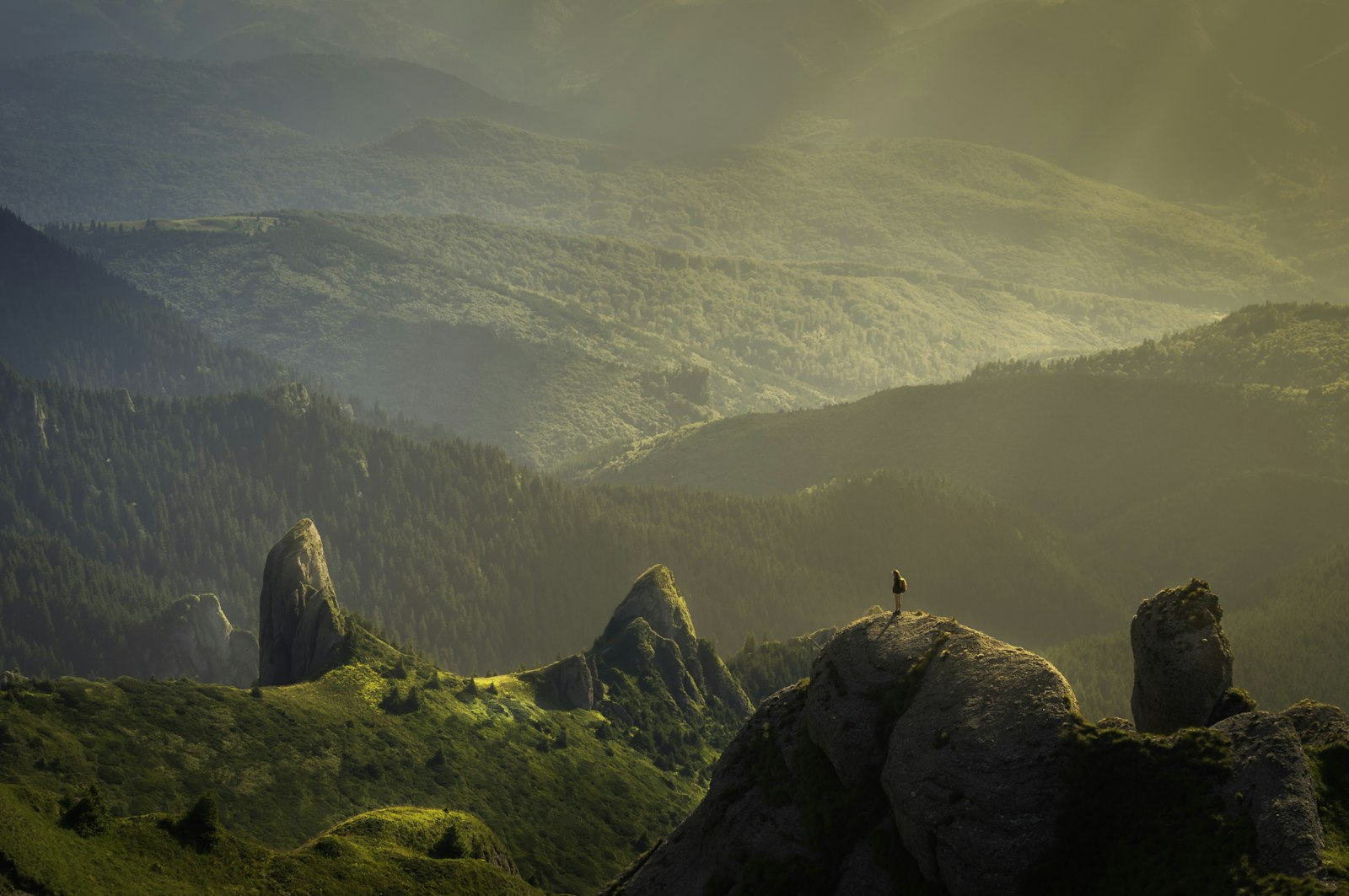
As travelers, we often seek beauty in new landscapes and cultures, but some destinations demand a different kind of exploration—one that delves into remembrance and reflection. Srebrenica, a small town in Bosnia and Herzegovina, is one such place. Known for the tragic events of 1995 during the Bosnian War, it stands as a solemn reminder of the past. Our visit to Srebrenica was not just a journey through geography, but a pilgrimage through memory.
Understanding the Historical Context
Before we even arrived, we made sure to read up on the events that unfolded in Srebrenica. In July 1995, over 8,000 Bosniak men and boys were systematically murdered in what is now recognized as genocide. This harrowing chapter of history is crucial to understanding not only Srebrenica but also Bosnia as a whole.
Visiting this site can be emotionally charged, and it’s essential to approach it with respect and sensitivity. We recommend reading some background material beforehand to prepare for the experience.
Getting to Srebrenica
We started our journey from Sarajevo, where we rented a car. The drive to Srebrenica takes about 2 hours (approximately 120 kilometers), and the picturesque views of the Bosnian countryside make it worthwhile. Alternatively, you can take a bus from Sarajevo; various companies run services multiple times a day, costing around 15-20 CHF per person.
Visiting the Memorial Center
Our first stop was the Srebrenica Memorial Center, dedicated to the victims of the 1995 genocide. The center is open daily from 9:00 AM to 5:00 PM, with free entry. Guided tours are available for a small fee (about 10 CHF), and we highly recommend this option. The knowledgeable guides provided deep insights into the history and events that occurred.
While we wandered through the museum, we were struck by the photos and stories of individuals who lost their lives. The atmosphere was heavy yet filled with dignity, reminding us of the importance of remembrance.
Key Highlights of the Memorial Center
- The Wall of Victims: A poignant tribute engraved with the names of the 8,000 victims.
- The Exhibition Hall: Features personal stories and narratives that brought a human element to the historical data.
- The Cemetery: A deeply moving space where many victims are buried, surrounded by the stunning natural landscape.
Exploring the Town
After our time at the memorial, we took a stroll through the town of Srebrenica. We were taken aback by how life has returned to the area. Small shops and cafes line the streets, and despite the grim history, the resilience of the local community shone through.
We stopped at a local café to grab a coffee (around 2 CHF) and chat with some residents. They shared their stories of survival and hope, adding layers to our understanding of what the community has endured and how it is rebuilding.
Practical Tips for Visiting Srebrenica
Here are a few practical tips for anyone planning a visit to Srebrenica:
- Respectful Attire: Dress modestly when visiting the memorial and cemetery as a sign of respect.
- Stay Hydrated: Bring water, especially during summer, as it can get quite hot.
- Plan for Emotional Intensity: Prepare yourself emotionally; it’s a profound experience that may affect you deeply.
- Local Guides: Consider hiring a local guide to gain deeper insights into the area’s history.
- Accommodation: If you want to extend your stay, there are some guesthouses in the vicinity where you can stay for around 40-60 CHF per night.
Frequently Asked Questions
Is it safe to visit Srebrenica?
Yes, Srebrenica is generally safe for visitors. The locals are welcoming, and there is a significant focus on peace and reconciliation in the area.
What is the best time to visit Srebrenica?
Spring (April to June) and autumn (September to October) are ideal. The weather is pleasant, and there are fewer tourists.
Are there guided tours available?
Yes, guided tours can be arranged through the memorial center or local tour operators, which offer insightful perspectives on the history.
Can I take pictures at the memorial?
Photography is allowed in most areas, but we recommend being mindful of where and when to take photos out of respect for the victims.
What other places can I visit nearby?
Consider visiting the nearby towns of Potocari and Konjic, each with their own historical significance and beautiful landscapes.
Final Thoughts
Our visit to Srebrenica was profoundly moving and educational. It served as a powerful reminder of the past and the importance of remembrance. We believe that understanding history, especially the darker chapters, fosters empathy and helps promote peace. If you're seeking a destination that challenges and inspires, Srebrenica is worth visiting.
As we left, we felt a deep respect for the resilience of the people and a commitment to sharing their stories with others. Traveling here isn’t just about witnessing the past; it’s also about honoring the future.